
This is the Lord's house
Let there be silence
A once familiar notice carefully placed outside the doors of churches or sanctuaries reminding people that, in the Lord’s house, silence and prayer is welcome, but not the hustle and bustle of the world. But quickly, in a matter of a few short years, these notices were replaced with phrases such as “Come as you are” and “All are welcome,” changing the scope of worship, the sacred space or sanctuary, and the Christian faith.

But is this truly worship?
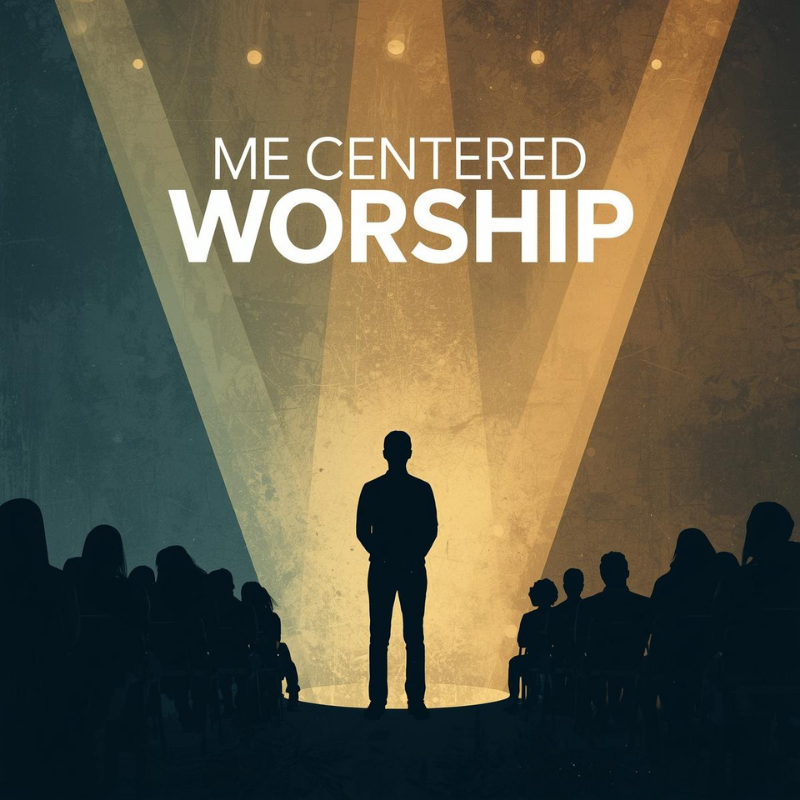
It is a sad and often inconvenient truth, but modern forms of worship, mainly among the “evangelical” or “nondenominational” circles of American Christianity, are quite anthropocentric or “me-centered.” The communal or community nature of worship is all but lost, hanging on by a thread under the guise of “all are welcome.”
They say it’s spiritual; they say it’s encountering God; they say it’s entirely the Holy Spirit moving…but is it?
In his book, “The Secular Age”, Charles Taylor discusses the current forms of Christianity in the west, and particularly in America and Canada. He writes, “Spirituality must speak to this experience…This kind of search is often called by its practitioners ‘spirituality’, and is opposed to ‘religion’. This contrast reflects the rejection of ‘institutional religion’, that is, the authority claims made by churches which see it as their mandate to preempt the search, or to maintain it within certain definite limits, and above all to dictate a certain code of behaviour”1.
He cites an interview done by Wade Clark Roof in his book entitled, Spiritual Marketplace, Baby Boomers and the Remaking of American Religion:
Well, religion, I feel, is doctrine and tradition, genuflecting, and you have to do things this way. Spirituality is an inner feeling, an allowance of however you perceive it in your world, in your mind, and however it feels is okay. . . . There’s not these parameters on it. That you have to believe in this way and only in this way. Spirituality, I think, is what enters you and lifts you up and moves you to be a better person, a more open person. I don’t think religion does that. Religion tells you what to do and when to do it, when to kneel, when to stand up, all of that stuff. Lots of rules.2
This is American Christianity today; this is worship today. It is wholly subjective or me-centered (anthropocentric); it emphasis feeling; it is about a spiritual quest for wholeness within the self through looking inside the self for an urge, a feeling, a reaction to external stimuli. And the external stimuli must be capable of inciting or exciting this urge or emotional wave which leads to worship being so me-centered that Christ and His Word take a far back seat in the stretch limo of subjectivity.
Music need not be theologically sound inasmuch as it is emotionally stirring. Preaching need not be about Christ and His cross inasmuch as it is about the anthropocentric in the audience and his subjective desires. Every hand is raised, but only as high as the individual desires it to be. The clothing worn expresses, not one’s deep reverence and respect for the universal God, but the anthropocentric self, his preference and personal look.
And since the anthropocentric rules the house, naturally the instruments of individualism along with the known sounds and chords of the subjective individual take the stage, blocking views to the cross or the altar, all to elevate to the high individual altar of self the emotion – the need to feel and express.
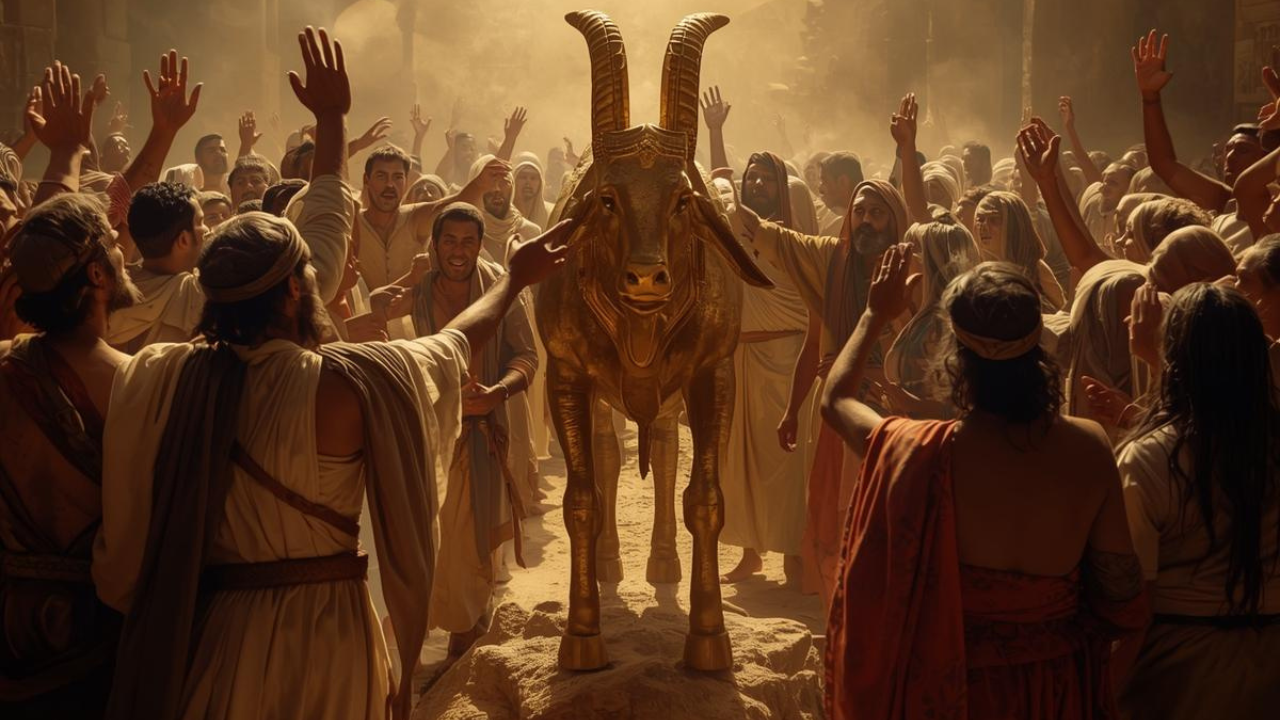
Anthropocentrism is the golden calf of American Evangelicalism.
O Lord, open my lips, and my mouth shall
declare Your praise!
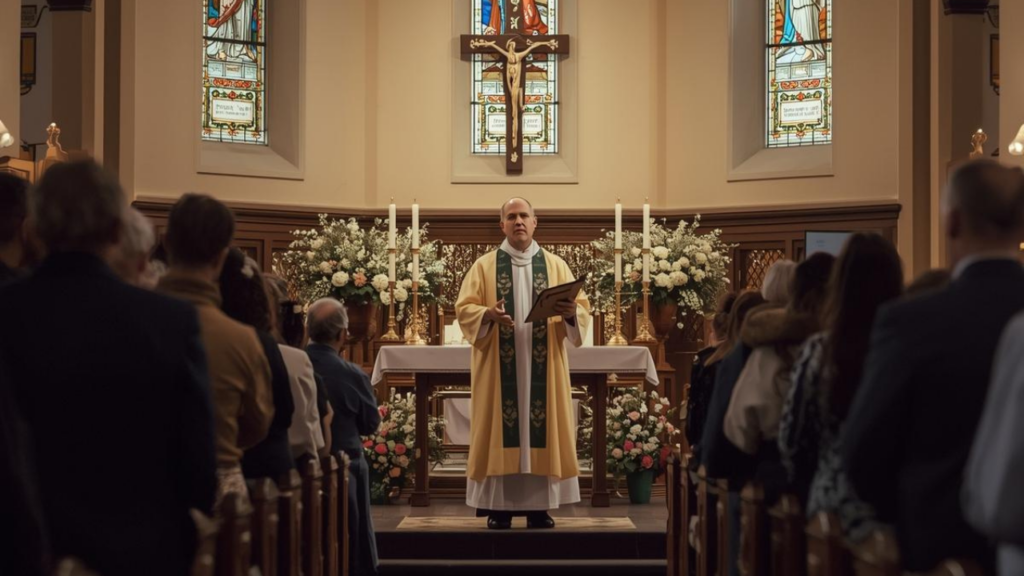
True worship is not anthropocentric! True worship is Gottesdienst. What does this mean? True worship is God coming to us, serving us, delivering His good and gracious gifts to us, and in our humble thankfulness, responding to Him in song, in prayer, in praise, in giving and offering, and in good works. He opens our lips; we respond. He gives us forgiveness of sins; we acknowledge. He feeds us His body and blood; we say thank you. This is worship.
American Evangelicalism lost this historic understanding thanks in part to the Church Growth Movement of the 60’s and 70’s which became front and center of many protestant churches even into the 21st century. The LCMS was not immune to its pressure.
What were some of the precepts of the movement? As you read through this list, ask yourself if your church has embraced CGM:
- That is is God’s will that His Church grow, that His lost children are found.
- The “Harvest Principle,” that Christians are doing things to attract unbelievers to Christianity; that the Gospel be verbalized by both individuals and the church alike; that the church and the believers constantly be persuading people to a deeper faith.
- The “Harvest Principle” also says that people should “go where the fish are biting,” meaning that world missions are inevitable. Go to where people are hungry for the Gospel.
- Do what works. Pragmatism. Don’t get caught up in dogma or religious inflexibility.
- The Homogeneous Unit Principle. Churches should attract like-minded and like-skinned people.
It is also important to note that CGM is based, not on Scripture, but on science, on sociology and statistical data. In fact, churches that focus heavily on statistics are likely following some form of the CGM model.
At first glance, this may seem alright, even Christian. But the devil is in the details! Consider, for example, the first premise, that it is God’s will that His Church grow. This seems right, doesn’t it, after all, doesn’t Scripture say that we are to make disciples, and of all nations? Yes!
But the underlying error lies, not in God’s desire to grow His church, but in man’s attempt and motive for growing it. God grows His church — not man’s endeavors or plans. Further, for the CGM model, it’s all about numbers, not true growth (repentance and faith). It looks at local congregations and judges them by the speed at which they grow.
So, even if a small, rural church is faithful in Word and Sacrament, faithful in good works and serving those in need, the CGM model would call it “unfaithful” because its growth is marginal. As Ralph Elliot writes:
The church growth theology is also dangerous in dooming the city to hopelessness. The strong emphasis on choosing target populations according to the criterion of success leads the church growth people to neglect the city with its economic mobility, its changing neighborhoods and racial mixture. The preference is for the suburbs and for each succeeding suburban ring which mobility and economics establish. One suburb gets old, so emphasis shifts to the next one because that’s where the best possibilities are.3
Of course, the real danger of this movement is its underlying assumptions, edging toward a post-protestant, purely spiritualistic, staunchly anthropocentric understanding of worship and faith. It presupposes the synergistic theology of the Arminian church (a razor-thin line from the Pelagian heresy), the “individual moment of decision” diatribe of Charles Finney and the 2nd Great Awakening, and it presupposes that people can be reasoned into believing, that with a good argument and being in the right place at the right time, disciples are made.
Why will you go to church this Sunday?
Might you go just to feel good, have a good experience, be uplifted emotionally? Might you go just to be around other people, to drink coffee and have a good laugh? Will you go to feel spiritual or to experience “God” in your own, individual way?
If this is why you go to church, then you have succumbed to the spirit of the age, the spirit of anthropocentrism, of “me-centered” of market driven, and “have it your way.” And no matter if you attend a church which practices historic liturgies and sings biblical hymns, or you attend a church that employs smoke machines and praise bands, if this is your motive, then you do not grasp Christian worship.
At. St. Paul’s, when you come to worship, you are called by God to put to silence the world, the distractions, the human call to preference and “have it your way,” and to humbly and penitently enter into the presence of a Holy and Mighty God who comes into your presence to serve you. Worship is not about you! Worship is about God for you.
He comes to you through physical means, what we call the Means of Grace or the Word and the Sacraments, to feed your soul and your body the fruits of heaven, to put your old nature to death and bring to life in you the new nature, clothed in Christ, covered in His blood, and made presentable and perfect, a sinner wrapped in the righteousness of Christ.
You hear His Word, you see His presence in the symbols and colors, you feel His touch as His body and blood touch your hand and your tongue. You taste His mercy in the bread and wine, and you smell the candles and maybe incense, the prayers of the God’s people throughout the world offered up in Jesus’ name.
This is worship! This is Gottesdienst! This is heaven coming to earth in the sanctuary and the Lord inviting you to reach up, take hold, and believe.
Here are some GREAT resources to help you discover true Christian worship, historic Christian worship, Lutheran worship. Pastor Carlson has many of these resources available to borrow from his library, or you may purchase them for yourself.
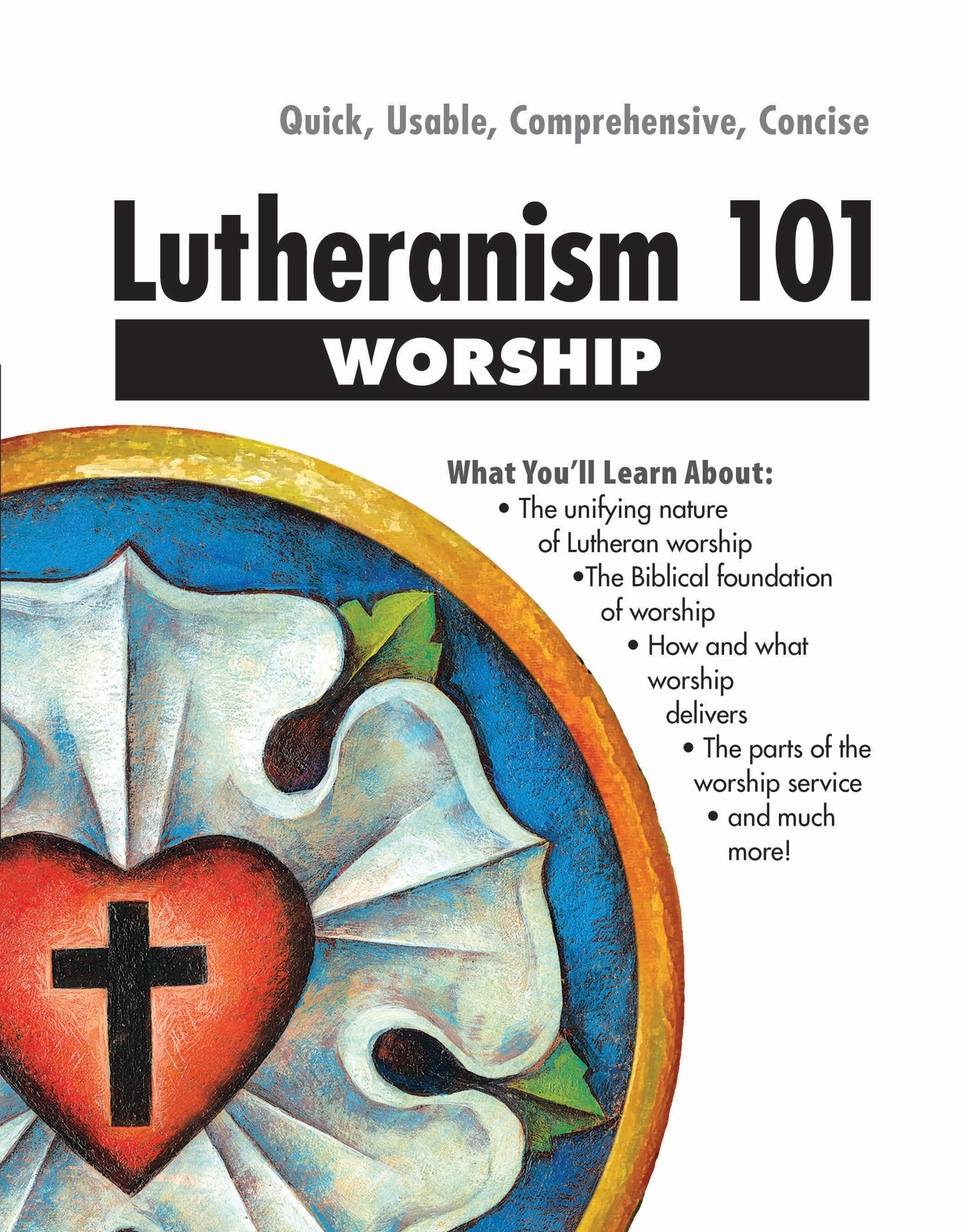
Lutheranism 101 Worship delves into the development of Lutheran worship, a deeper look at the parts of the worship service, and a deeper understanding of Lutheran worship.
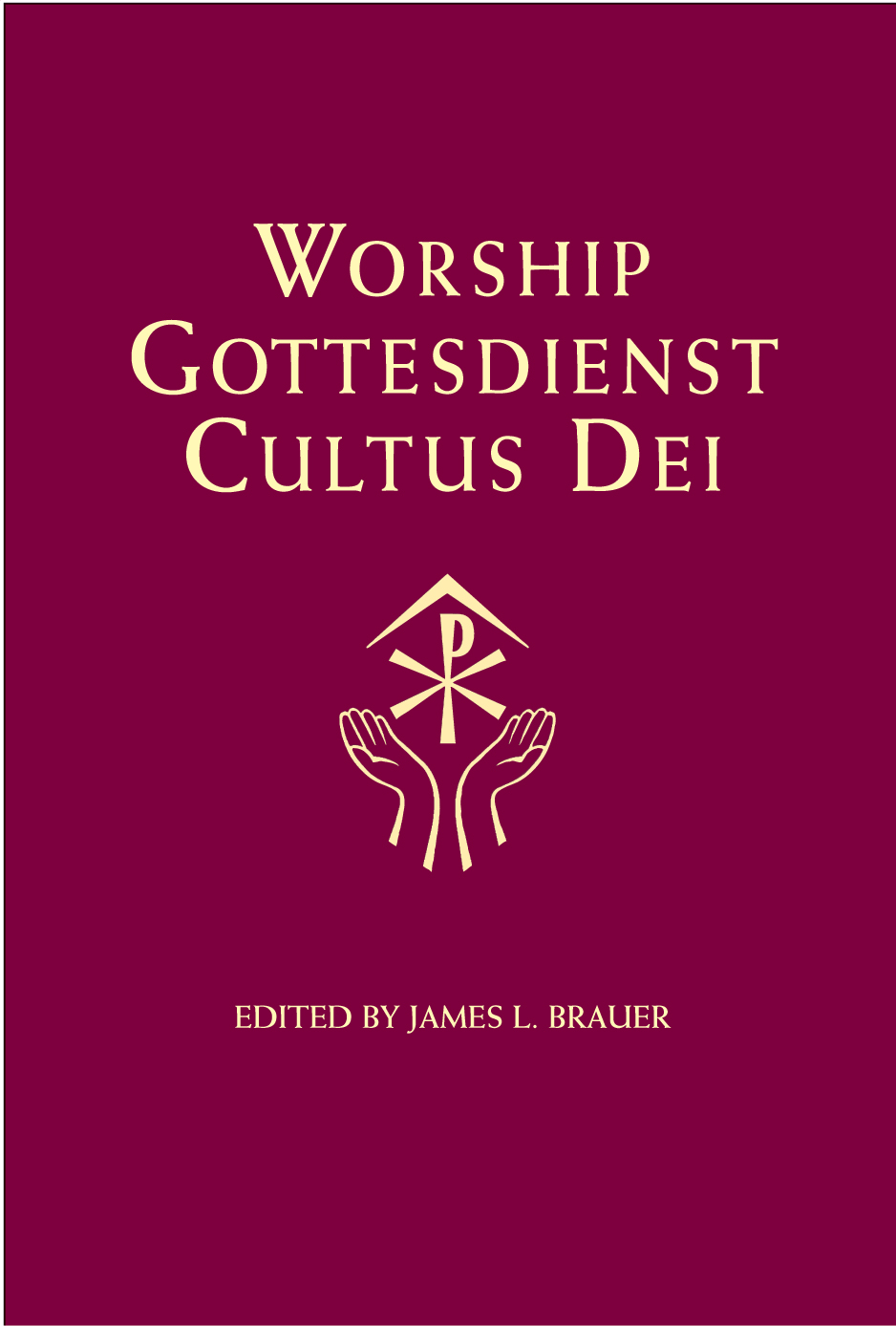
This examination of the texts of the Lutheran Confessions gathers together those references pertinent to the contemporary discussion of worship in the Lutheran church.
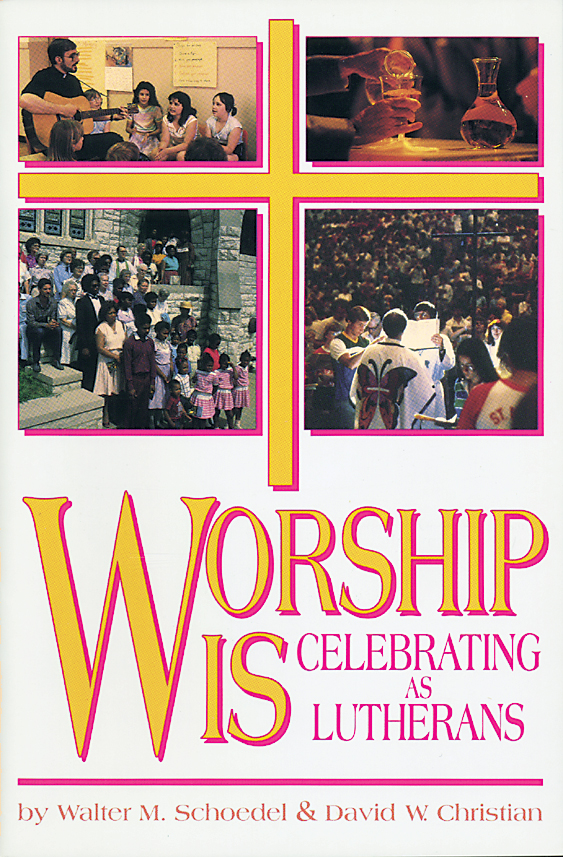
This pamphlet explores the nature of worship, explains the historic liturgy of the church, examines symbols associated with worship, and discusses the relationship between worship and the life of the Christian community.
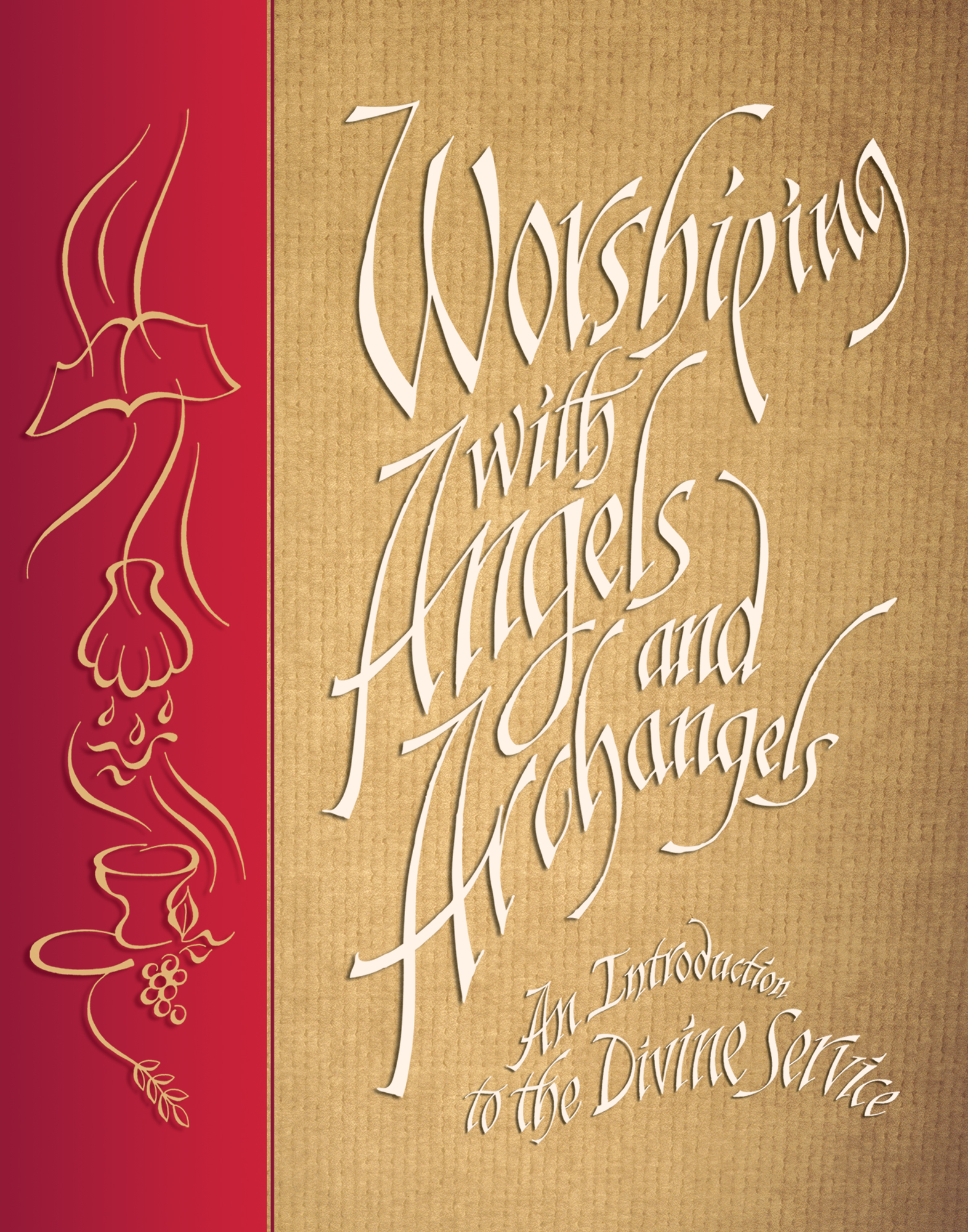
Worshiping with the Angels and Archangels: An Introduction to the Divine Service leads the worshiper through the Divine Service I, helping them understand its significance.
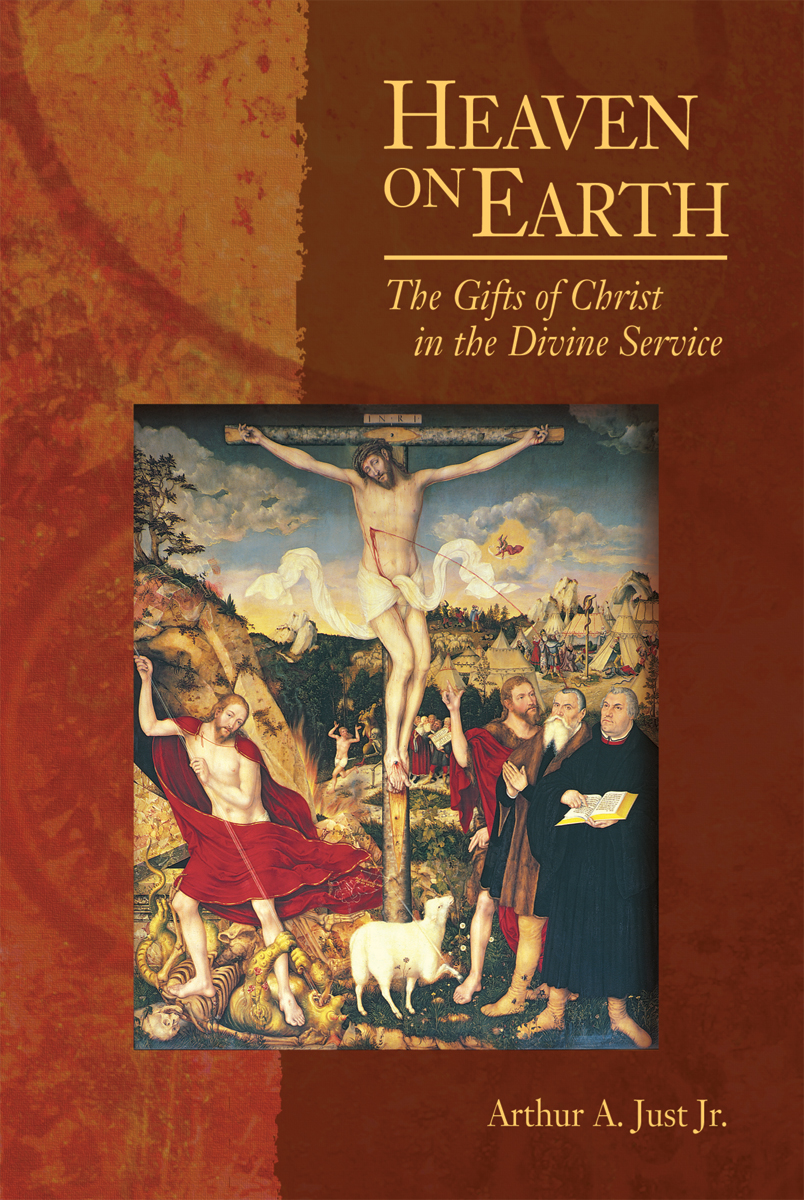
The liturgy is not a style of worship. The liturgy is the substance of justification as it is brought through means.An introduction to the liturgy and its importance, this book will deepen your understanding of the Divine Service and why it remains the Church’s chief worship service.

Lochner's work in liturgy and hymnology as a founding father of the Lutheran Church—Missouri Synod, was foundational to worship life in the LCMS. This authoritative translation includes all of Lochner’s original material, available for the first time ever in English.
[1] Taylor, Charles. 2007. A Secular Age. Cambridge ; London: The Belknap Press Of Harvard University Press.
[2] Wade Clark Roof. 2001. Spiritual Marketplace : Baby Boomers and the Remaking of American Religion. Princeton, N.J: Princeton University Press.
[3] “Dangers of the Church Growth Movement – Religion Online.” 2026. Religion-Online.org. 2026. https://www.religion-online.org/article/dangers-of-the-church-growth-movement/.